How to Prepare for Basketball Tryouts: What Coaches Actually Want to See
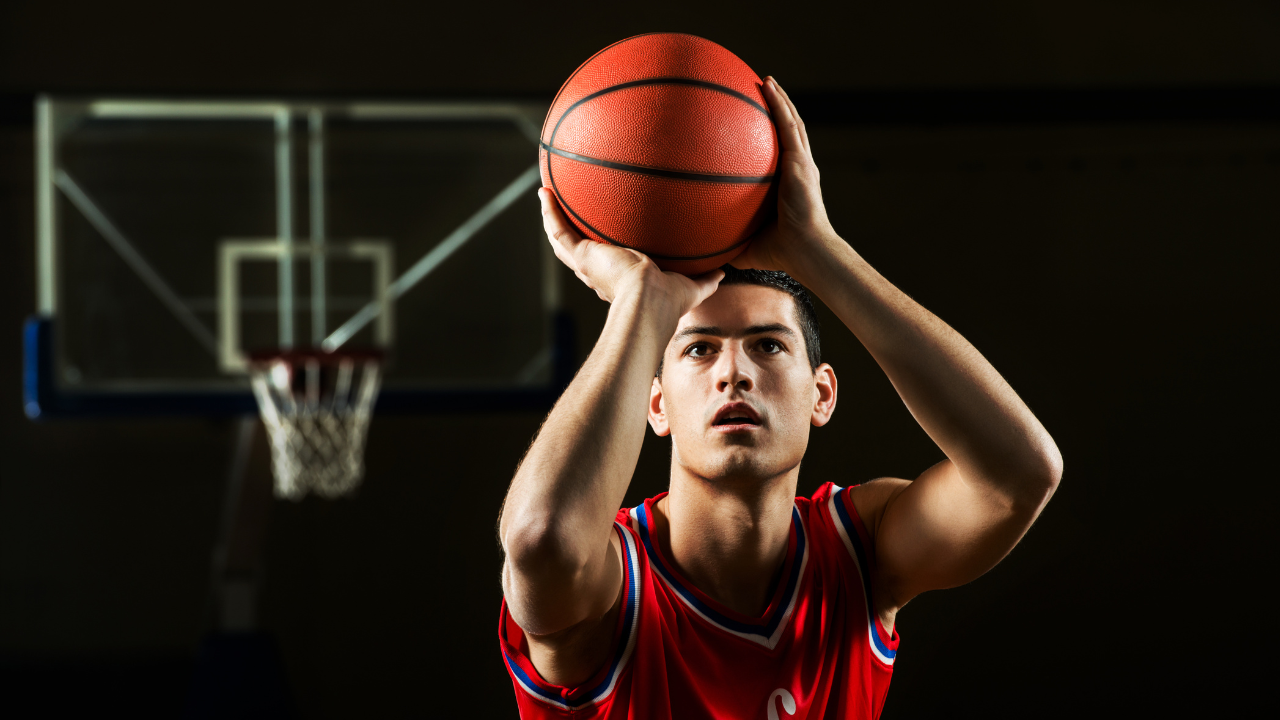
Basketball tryouts are rarely won by the player who scores the most points. Coaches are watching for something deeper: habits, awareness, and how a player fits into a team context under pressure.
This is where many players get it wrong. They prepare for tryouts the same way they prepare for pickup games — focused on highlights instead of reliability. Coaches, on the other hand, are asking a different question:
“Can I trust this player when the game speeds up?”
Before diving in, this article promises one thing upfront: you’ll walk away with a clear tryout checklist and a sample preparation structure so nothing is left to guesswork.
What Coaches Are Evaluating (Even When They Don’t Say It)
At every level of basketball, from youth to high school to competitive club teams, tryouts follow a similar evaluation pattern.
Coaches are silently grading players on four pillars:
-
Decision-making under pressure
-
Defensive awareness and effort
-
Coachability
-
Consistency over flash
Scoring matters — but only after those boxes are checked.
This ties directly into Game IQ and court awareness (read the article here). A player who makes the right read every possession will outlast a streaky scorer every time.
Skill Preparation: What to Train (and What to De-Emphasize)
Ball Handling
Coaches aren’t impressed by complex dribble combos if they don’t translate into advantage.
What they want:
-
Eyes up while dribbling
-
Ability to change pace
-
Protection under pressure
Training insight most players miss:
Train dribbling while mentally fatigued. Late in tryouts, mistakes come from tired brains, not tired hands.
This concept connects naturally to training at home without a court (→ internal link to “How to Train at Home Without a Court”), where decision-based ball handling matters more than space.
Shooting
Tryouts reward shot selection, not shot volume.
Coaches track:
-
Feet set and balanced
-
Willingness to pass up bad shots
-
Ability to shoot after movement
A player who goes 3-for-6 on smart shots often grades higher than someone who goes 5-for-15 forcing looks. For more on this, read “Shooter’s Roadmap: From Mechanics to Game-Ready Shooting”.
Defense: The Fastest Way to Separate Yourself
Defense is the fastest way to stand out — because most players don’t treat it as a skill.
Coaches notice:
-
Early help positioning
-
Closeouts under control
-
Communication (calling screens, switches)
Hidden evaluation metric:
How quickly a player recovers after getting beat.
Effort plus recovery tells coaches more than perfect defense ever could since defensive expectations change by role.
Coachability: The Silent Deal-Breaker
Coachability isn’t about nodding politely. It’s about visible adjustment.
Coaches watch for:
-
Immediate correction after feedback
-
Body language after mistakes
-
Willingness to play unfamiliar roles
One overlooked habit:
Players who sprint to the next rep after correction show trustworthiness.
No drill teaches this — it’s a mindset.
Sample Tryout Prep Structure (7–10 Days Out)
Here’s a simple, non-overwhelming framework:
Daily (30–45 minutes):
-
10 min ball handling with decision constraints
-
10 min shooting off movement
-
5 min defensive footwork
-
5–10 min conditioning with purpose
Every Other Day:
-
Situational reps (closeouts → outlet → sprint)
-
Scrimmage-style reads (even solo visualization helps)
Mental Prep:
-
Visualize first 3 minutes of tryouts
-
Plan effort habits, not stats
This preparation style mirrors principles in explosive speed and agility training (→ internal link to “How to Build Explosive Speed and Agility for Basketball”), where intent matters more than volume.
Final Takeaway
Basketball tryouts reward players who make the game easier for coaches. That comes from:
-
Smart decisions
-
Defensive commitment
-
Emotional control
-
Consistent effort
Prepare like someone who understands the game — not like someone trying to prove something.
Listings related to How to Prepare for Basketball Tryouts: What Coaches Actually Want to See

DribbleUp Smart Basketball
DribbleUp Smart Basketball – Interactive Ball Handling Training
Vert Shock
Vert Shock – Jump Training Program for Basketball Players
HoopsKing
HoopsKing – Comprehensive Basketball Training Equipment
Point 3
POINT 3 – Basketball Apparel & Gear