Shooter’s Roadmap: From Mechanics to Game-Ready Shooting
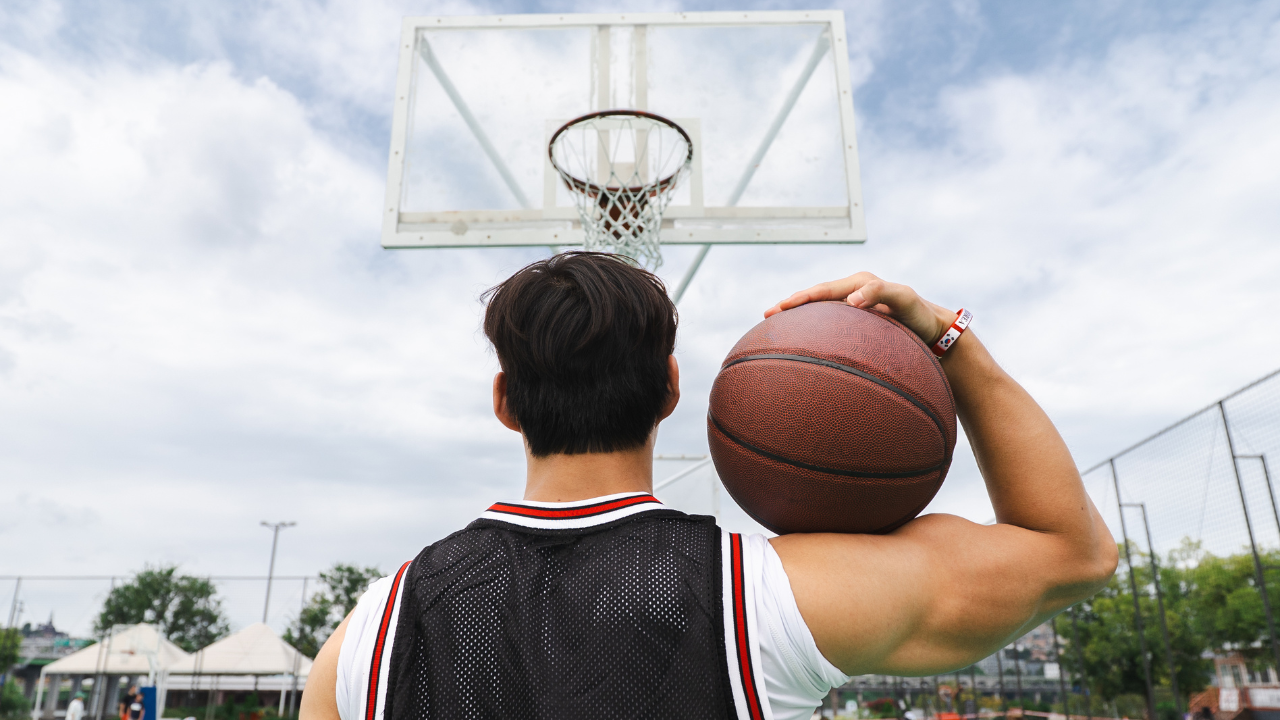
Most players shoot a lot.
Very few players become shooters.
The difference isn’t confidence or talent — it’s how practice is structured. Shooting improvement isn’t about repetition alone. It’s about sequencing the right skills in the right order.
This roadmap breaks down shooting development into clear stages, explains why players plateau, and shows how to move from “good in workouts” to reliable in games.
Stage 1: Mechanics Are a Starting Point, Not the Goal
Every shooter starts with form — but staying there too long is a trap.
Mechanics matter because they:
-
Reduce energy leaks
-
Improve consistency under fatigue
-
Create a repeatable baseline
But mechanics alone don’t survive pressure.
Common mechanical mistakes that stall progress:
-
Over-coaching wrist and elbow positions
-
Chasing “perfect” form instead of functional form
-
Making constant tweaks instead of letting patterns settle
Strong shooters don’t have identical mechanics — they have repeatable ones.
The real purpose of mechanics work is to remove variables, not create new ones.
Stage 2: Rhythm Is the Missing Link
Many players shoot with correct form — and still miss.
Why? Poor rhythm.
Rhythm connects:
-
Feet to hands
-
Catch to release
-
Balance to follow-through
Without rhythm, mechanics break under speed.
A simple test:
If a shooter looks smooth at half speed but rushed at full speed, rhythm hasn’t been trained.
Rhythm training includes:
-
One-motion shooting
-
Flow-based catch-and-shoot reps
-
Shooting on the move before static spot shooting
This is where shooting starts to feel automatic.
Stage 3: Range Is Built From the Inside Out
Players often try to extend range too early.
That backfires.
Range should expand only when:
-
Arc stays consistent
-
Misses are long/short, not left/right
-
Balance doesn’t change with distance
When range is forced:
-
Mechanics flatten
-
Legs dominate the shot
-
Accuracy becomes streaky
Elite shooters build range by:
-
Owning mid-range first
-
Gradually stepping back while keeping the same shot
-
Accepting short-term misses for long-term consistency
This patience is rare — and it’s why most shooters plateau.
Stage 4: Game Speed Is Not Workout Speed
This is where most players get exposed.
They can shoot:
-
Alone
-
On their time
-
From their spots
But games don’t allow comfort.
Game-ready shooting requires:
-
Shooting off imperfect passes
-
Quick foot adjustments
-
Decision-making under time pressure
This stage demands constraint shooting:
-
Limited dribbles
-
Time-based reps
-
Movement before the catch
Tools that add reaction (visual cues, variable timing) can help here — but only after mechanics and rhythm are solid.
Otherwise, speed just magnifies flaws.
Stage 5: Shot Selection Is a Skill
The best shooters don’t take the most shots.
They take the right ones.
Shot selection includes:
-
Knowing personal hot zones
-
Understanding team spacing
-
Reading defenders, not just the rim
Many “streaky” shooters are actually poor decision-makers.
They make hard shots harder.
Teaching shooters to:
-
Relocate instead of forcing
-
Pass out of bad attempts
-
Create rhythm shots instead of bailout shots
…often raises percentages without changing mechanics at all.
Why Shooting Alone Can Still Work
Players often believe they need a trainer or gym access to improve.
Not true.
Solo shooting works when:
-
Sessions have structure
-
Each phase has a purpose
-
Progression is intentional
Random shooting builds confidence — not reliability.
Structured shooting builds trust in the shot.
Putting the Roadmap Together
Reliable shooters follow a progression:
-
Clean mechanics
-
Natural rhythm
-
Controlled range expansion
-
Game-speed constraints
-
Smart shot selection
Skipping steps creates fragile confidence. Following them creates shooters coaches trust.
Takeaway / Next Step
Becoming a shooter isn’t about shooting more — it’s about practicing in the right order. Players who respect the process don’t just get hot; they stay reliable.
Next up: a sample progression that shows how to structure a solo shooting session that actually transfers to games.
Listings related to Shooter’s Roadmap: From Mechanics to Game-Ready Shooting

Transforming Basketball
Transforming Basketball – An Evidence-Based Approach to Player & Team Development

HoopsKing
HoopsKing – Comprehensive Basketball Training Equipment

Blazepod
BlazePod – Smart Reaction Training for Basketball Performance

DribbleUp Smart Basketball
DribbleUp Smart Basketball – Interactive Ball Handling Training