Position‑Specific Training: What Each Position Must Work On
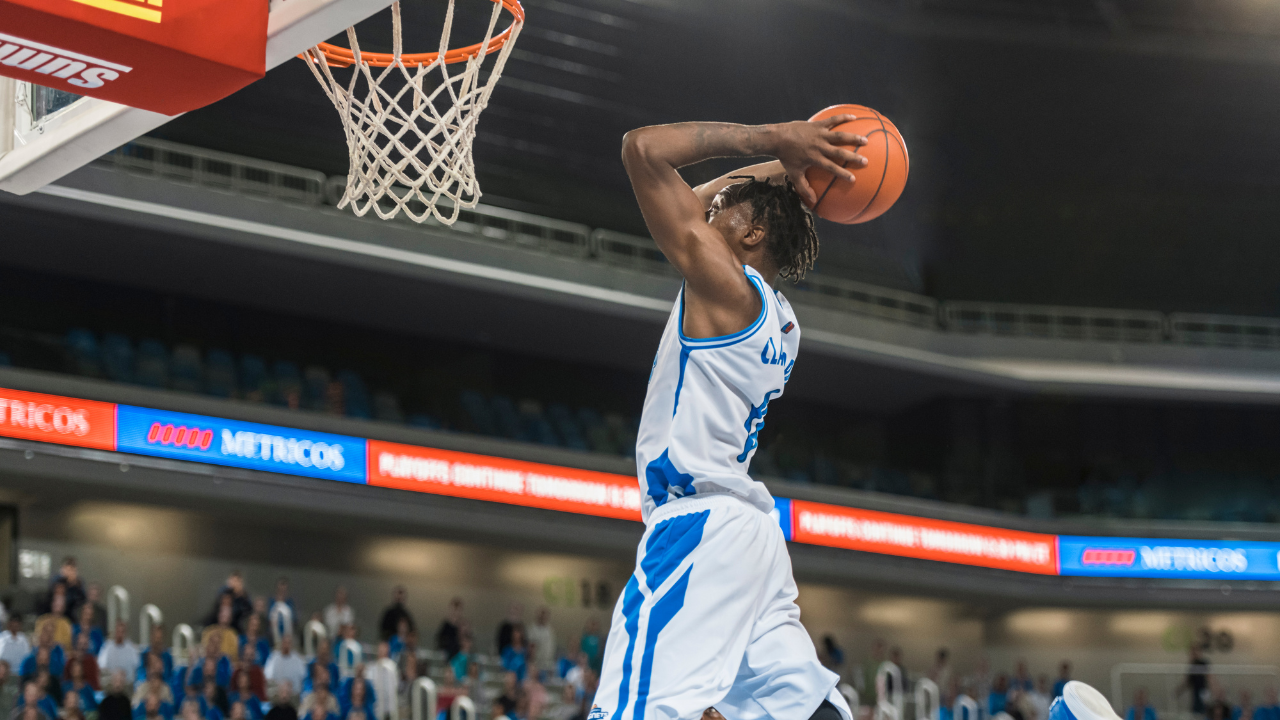
Main keyword: basketball position training
Training like a professional isn’t just about shooting hoops endlessly — it’s about understanding your role on the court and developing the skills that give your position an edge. This guide breaks down what point guards, shooting guards, forwards, and post players need to focus on, and how small tools or drills can make your home practice more effective.
At the end, a sample 30-minute position-specific workout is included to get started today.
1. Point Guards: Mastering the Court
Point guards are the team’s floor generals. Decision-making, ball handling, and agility are the priorities.
Key Training Focus:
-
Ball Control: Tight dribbles under pressure, quick transitions, and ambidextrous handling.
-
Agility: Quick lateral slides, pivoting, and short bursts mimic defensive pressure.
-
Court Vision: Practice scanning the floor while executing dribble moves.
Example Drill: Set up cones in a zig-zag pattern. Dribble through them while keeping your head up and calling out imaginary teammates’ positions. Add reaction drills with a timer or visual cue for a split-second pass decision.
Pro Tip: Short, reactive drills at home build muscle memory for quick in-game decisions. A single reactive training tool, like light-up pods or a dribble coach app, can give immediate feedback on your response time without needing teammates.
2. Shooting Guards: Scoring and Movement
Shooting guards are primary scorers. Training must emphasize shot mechanics, movement without the ball, and creating space.
Key Training Focus:
-
Shooting Mechanics: Form shooting, free throws, and mid-range jumpers.
-
Footwork: Learn to pivot, jab-step, and step-back efficiently.
-
Off-Ball Movement: Practicing cuts, screens, and reads to find open shots.
Example Drill: Use a small target or mark a spot on a wall to practice quick release shots. Combine this with a dribble sequence to simulate catching-and-shooting under pressure. Weighted basketballs or light dribbling aids can increase hand strength and ball control for faster shooting.
Pro Tip: Shooting consistency comes from deliberate repetition, not just volume. Focus on quality over quantity, breaking down each shot into footwork, release, and follow-through.
3. Forwards: Versatility and Athleticism
Small forwards and power forwards need a hybrid skill set — scoring, defending, and rebounding. Training focuses on agility, strength, and positioning.
Key Training Focus:
-
Agility and Explosiveness: Lateral shuffles, jumps, and short-sprint bursts to react to defenders.
-
Post Moves: Spin moves, drop steps, and fadeaways for inside scoring.
-
Rebounding: Timing jumps, boxing out, and tracking the ball.
Example Drill: Place cones to simulate defenders and practice drive-and-finish moves. Incorporate jumps and pivots to mimic in-game movements. Weighted basketballs can help strengthen passing and finishing muscles.
Pro Tip: Versatile forwards are defined by footwork and timing. Drills that combine movement, ball control, and finishing in tight spaces create skills that carry over directly to game situations.
4. Post Players: Dominating Inside
Centers and traditional post players rely on strength, positioning, and finishing in the paint. Their training should enhance leverage, hand strength, and spatial awareness.
Key Training Focus:
-
Post Moves: Drop steps, hook shots, and fadeaways.
-
Rebounding and Boxing Out: Timing, anticipation, and leverage drills.
-
Defensive Presence: Shot-block timing and footwork to defend without fouling.
Example Drill: Use a resistance band or weighted medicine ball to simulate physical contests under the basket. Work on pivoting, power moves, and maintaining balance while keeping the ball protected.
Pro Tip: Post players often underestimate agility. Even a few minutes of quick lateral shuffles daily improves balance and reaction to smaller, faster defenders.
5. Sample 30-Minute Position Workout
-
Warm-Up (5 min): Dynamic stretches + light dribbling or footwork
-
Skill Drill (10 min): Position-specific focus (ball handling for PG, shooting for SG, moves for F, post strength for C)
-
Agility + Reaction (10 min): Short-shuttle drills, pivoting, or reactive pod drills
-
Conditioning & Cooldown (5 min): Jump stops, slides, stretching
Repeat 3–4 times weekly. Track improvement in speed, control, and shot accuracy.
6. Bringing It Together
Position-specific training is not just about practicing with a ball. It’s about targeting the exact skills your role requires and creating efficient habits through repetition and mindful practice. Small adaptations at home — cones, reaction drills, weighted balls — can dramatically accelerate development without needing a full team.
Next Step: Identify your position, pick the drills above, and commit to three focused sessions this week. Progress builds when practice is deliberate, structured, and reflective.
Listings related to Position‑Specific Training: What Each Position Must Work On

Blazepod
BlazePod – Smart Reaction Training for Basketball Performance

DribbleUp Smart Basketball
DribbleUp Smart Basketball – Interactive Ball Handling Training
SilentBall Academy
SilentBall Academy – At-Home Basketball Training, Reviewed Honestly
Point 3
POINT 3 – Basketball Apparel & Gear